
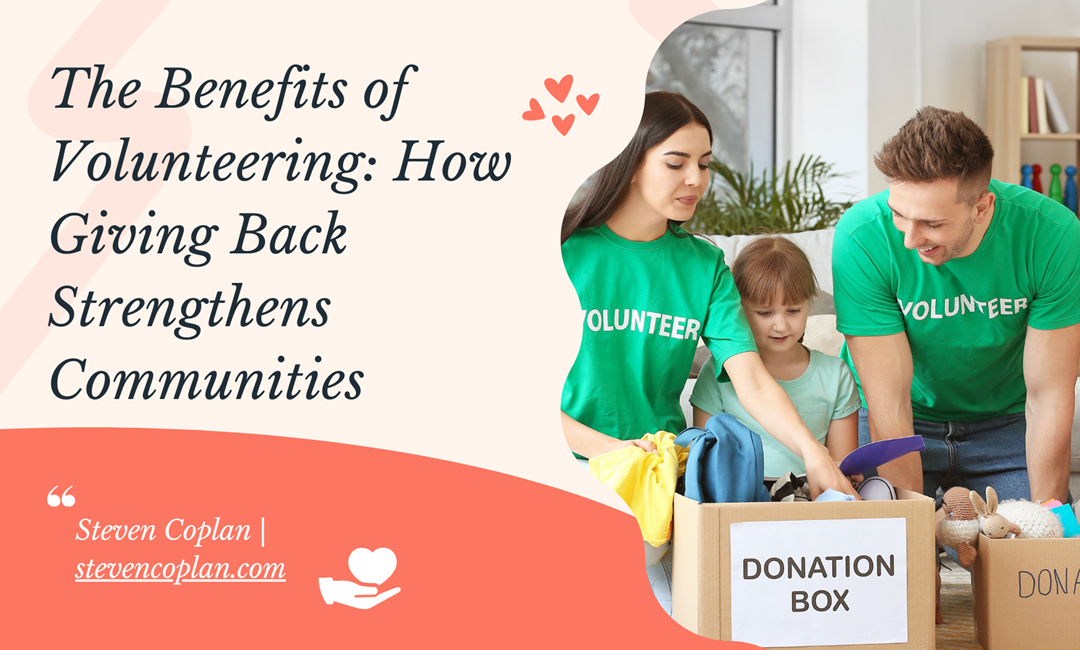
Volunteering is a powerful way to make a positive impact on communities. It offers a multitude of benefits not only for the individuals and organizations receiving help but also for the volunteers themselves. Here’s a closer look at how giving back can strengthen communities and enrich lives.
Building Stronger Connections
One of the most significant benefits of volunteering is the way it fosters connections among community members. By working together on common goals, volunteers build strong, supportive networks. These connections can lead to a more cohesive, resilient community where members look out for one another and collaborate to tackle local issues.
Enhancing Social Cohesion
Volunteering brings people from diverse backgrounds together, promoting social cohesion and understanding. When individuals from different walks of life unite to work towards a shared objective, they learn to appreciate and respect each other’s perspectives and experiences. This increased understanding can reduce social tensions and create a more harmonious community.
Boosting Community Resources
Volunteers provide essential services and support that can greatly enhance community resources. Whether it’s tutoring students, cleaning up public spaces, or providing meals to those in need, volunteers fill gaps that might otherwise go unmet due to limited funding or staffing. This extra support helps ensure that all community members have access to necessary services and opportunities.
Fostering Personal Growth and Well-being
Volunteering isn’t just beneficial for the community; it also offers numerous advantages for the volunteers themselves. Engaging in volunteer work can boost mental health by reducing stress, combating depression, and providing a sense of purpose. Volunteers often report higher levels of happiness and life satisfaction, as helping others can create feelings of accomplishment and fulfillment.
Additionally, volunteering provides opportunities for personal and professional growth. Volunteers can develop new skills, gain valuable experience, and build their resumes. For young people and those looking to change careers, volunteering can serve as a stepping stone to new opportunities.
Encouraging Civic Engagement
Volunteering helps cultivate a culture of civic engagement. When individuals get involved in community service, they become more aware of local issues and are more likely to participate in civic activities, such as voting or attending town meetings. This increased engagement ensures that a broader range of voices is heard in decision-making processes, leading to more inclusive and effective governance.
Creating Lasting Change
The impact of volunteering can be far-reaching and long-lasting. Many community projects initiated or supported by volunteers lead to sustainable improvements. For instance, volunteer-driven education programs can enhance literacy rates, while environmental initiatives can lead to lasting benefits for local ecosystems. These long-term changes improve the quality of life for all community members and contribute to the overall well-being of the area.
Inspiring Others to Get Involved
Finally, volunteering can have a ripple effect, inspiring others to get involved. When people see the positive impact that volunteers have on their community, they may be motivated to contribute their own time and skills. This growing wave of volunteerism can lead to even greater community engagement and support.
In conclusion, volunteering is a powerful tool for strengthening communities. By building connections, enhancing resources, fostering personal growth, encouraging civic engagement, creating lasting change, and inspiring others, volunteers play a crucial role in making communities more vibrant, resilient, and inclusive. Whether you’re an individual looking to give back or an organization seeking to mobilize volunteers, embracing the spirit of volunteerism can lead to transformative outcomes for everyone involved.