
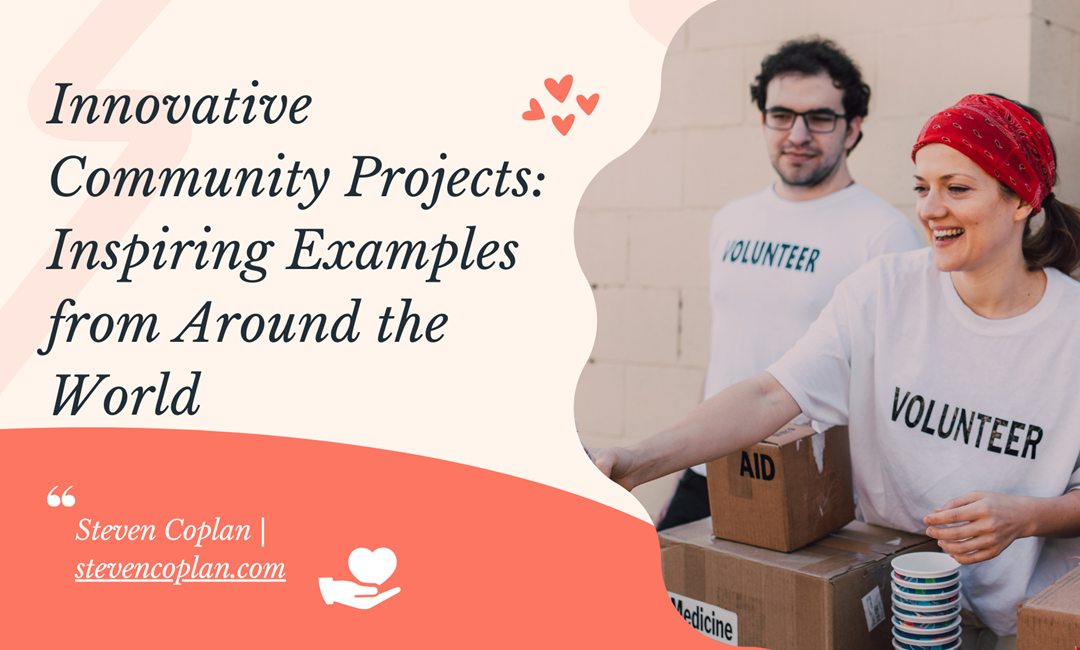
Innovative community projects around the world are transforming neighborhoods, addressing social issues, and fostering a sense of belonging and cooperation. These initiatives, driven by creativity and a commitment to positive change, demonstrate how communities can come together to solve problems and enhance quality of life. From urban farming to digital inclusion, these inspiring examples showcase the power of innovation in community development.
In Detroit, Michigan, the urban farming movement has turned vacant lots into thriving green spaces. Projects like the Detroit Urban Garden Education and Resource Center have revitalized neighborhoods by creating community gardens that provide fresh produce, educational opportunities, and green spaces for residents. These gardens not only address food insecurity but also promote environmental sustainability and community cohesion. Residents participate in the cultivation and maintenance of these gardens, fostering a sense of ownership and pride in their local environment.
In Copenhagen, Denmark, the Superkilen Park project exemplifies how urban design can celebrate diversity and inclusivity. Located in one of the city’s most ethnically diverse neighborhoods, Superkilen features elements from over 60 countries, reflecting the cultural backgrounds of the residents. This innovative park includes playgrounds, public art, and communal spaces that encourage social interaction and physical activity. By incorporating cultural symbols and designs, Superkilen creates a sense of belonging and recognition for the diverse community it serves.
Another inspiring example is the digital inclusion initiative in Nairobi, Kenya, known as the Nairobi Innovation Lab. This project aims to bridge the digital divide by providing access to technology and digital literacy training for underserved populations. The Innovation Lab offers workshops, access to computers and the Internet, and mentorship programs for young entrepreneurs. By empowering individuals with digital skills, the project enhances employability, fosters innovation, and supports economic development in the community.
In Medellín, Colombia, the transformation of the Comuna 13 neighborhood stands as a testament to the impact of community-led initiatives on social change. Once plagued by violence and crime, Comuna 13 has undergone a remarkable transformation through projects focused on arts, culture, and social engagement. The installation of outdoor escalators improved accessibility, while street art and music projects provided platforms for youth expression and community pride. These initiatives have not only revitalized the neighborhood but also changed its narrative from one of despair to one of hope and resilience.
In Japan, the concept of “machi-zukuri,” or community building, has led to innovative projects that address the challenges of aging populations and rural depopulation. In the town of Kamikatsu, residents have embraced a zero-waste lifestyle, achieving one of the highest recycling rates in the world. The community’s commitment to sustainability is evident in its extensive recycling and composting programs, as well as initiatives to repurpose waste into new products. This collaborative effort not only addresses environmental concerns but also strengthens community bonds through shared goals and activities.
In Barcelona, Spain, the Superblocks project reimagines urban living by prioritizing pedestrian spaces and reducing car traffic. These superblocks consist of clusters of city blocks where streets are reclaimed for pedestrians, cyclists, and communal activities. The initiative has led to quieter, greener, and more livable neighborhoods, promoting social interaction, health, and environmental sustainability. Residents actively participate in the design and implementation of superblocks, ensuring that the spaces meet their needs and preferences.
These examples from around the world highlight the transformative potential of innovative community projects. By addressing local challenges through creativity, collaboration, and a focus on sustainability, these initiatives improve the quality of life for residents and inspire other communities to adopt similar approaches. Whether through urban farming, digital inclusion, cultural celebration, or environmental sustainability, these projects demonstrate the power of innovation to create vibrant, resilient, and connected communities.