
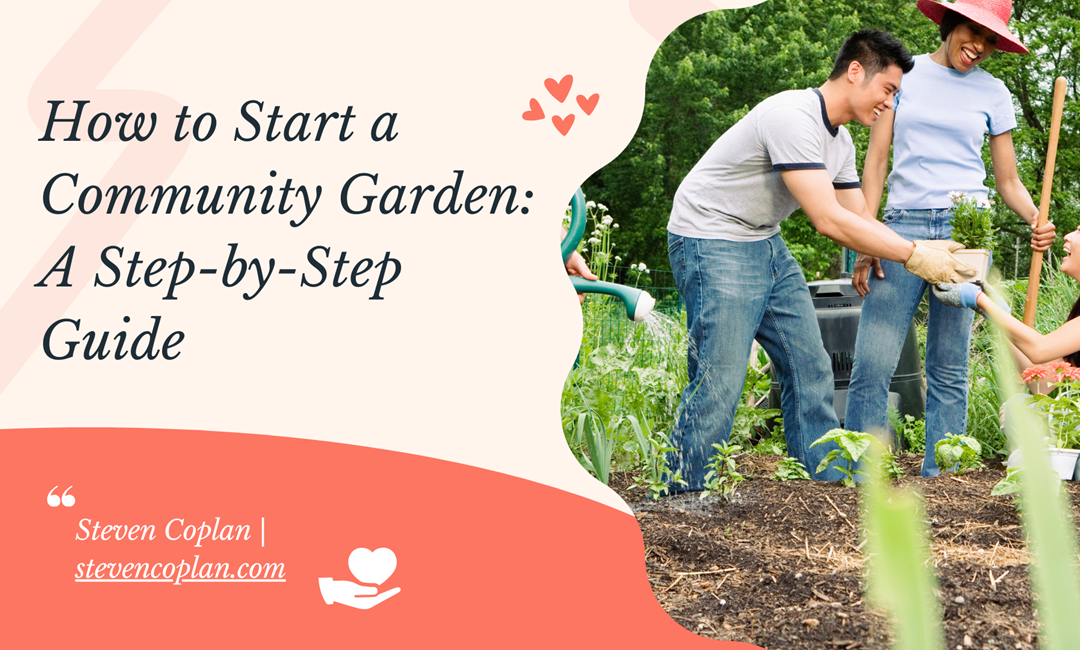
Starting a community garden is an excellent way to bring people together, promote sustainability, and provide fresh produce for local residents. Here’s a step-by-step guide to help you establish a thriving community garden in your neighborhood.
Step 1: Organize a Planning Committee
The first step in starting a community garden is to form a planning committee. Gather a group of dedicated individuals who are passionate about gardening and community building. This team will help share the workload and bring diverse skills and perspectives to the project.
Step 2: Conduct a Community Survey
Next, conduct a survey to gauge interest and gather input from community members. Ask questions about preferred garden locations, types of plants they’re interested in growing, and any specific needs or concerns they have. This feedback will help you tailor the garden to suit the community’s preferences and ensure widespread support.
Step 3: Secure a Location
Find a suitable location for your community garden. Look for vacant lots, public parks, or unused spaces that receive adequate sunlight and have access to water. Contact the landowner or local government to obtain permission and discuss any necessary agreements or leases.
Step 4: Design the Garden
Work with your planning committee and community members to design the garden layout. Consider factors such as the number of plots, pathways, irrigation systems, and storage areas. Ensure that the design is accessible to everyone, including individuals with disabilities.
Step 5: Gather Resources and Supplies
Create a list of the materials and supplies needed for the garden, such as soil, seeds, tools, compost, and fencing. Reach out to local businesses, garden centers, and community members for donations or discounts. Fundraising events or online crowdfunding campaigns can also help raise the necessary funds.
Step 6: Prepare the Site
Once you have the resources, it’s time to prepare the site. Clear any debris, weeds, or unwanted vegetation from the area. If the soil quality is poor, consider bringing in topsoil or compost to create a fertile growing environment. Install any necessary infrastructure, such as raised beds, irrigation systems, or fences.
Step 7: Assign Plots and Establish Rules
Assign garden plots to interested community members. Create a fair system for plot allocation, such as a lottery or first-come, first-served basis. Develop a set of garden rules and guidelines to ensure that everyone understands their responsibilities and maintains a harmonious environment. These rules might include guidelines for planting, watering, and maintaining individual plots, as well as shared responsibilities like weeding communal areas or attending meetings.
Step 8: Plant and Maintain the Garden
With plots assigned and rules in place, it’s time to start planting. Encourage gardeners to plant a variety of fruits, vegetables, herbs, and flowers that are suited to your climate and soil conditions. Provide resources and educational workshops on gardening techniques, pest management, and sustainable practices.
Regular maintenance is crucial for a successful community garden. Establish a schedule for communal tasks, such as watering, weeding, and composting. Encourage gardeners to communicate and collaborate, sharing tips and resources to help each other succeed.
Step 9: Organize Community Events
To build a strong sense of community, organize regular events and activities in the garden. These can include potluck dinners, harvest festivals, gardening workshops, and volunteer workdays. These events not only bring people together but also attract new members and supporters.
Step 10: Evaluate and Improve
Periodically evaluate the garden’s progress and gather feedback from participants. Assess what’s working well and identify areas for improvement. Use this information to make adjustments and plan for future growth and development.
Conclusion
Starting a community garden requires careful planning, collaboration, and ongoing effort, but the rewards are well worth it. A successful community garden can provide fresh produce, promote environmental stewardship, and create a vibrant, connected community. By following these steps and fostering a spirit of cooperation and inclusivity, you can cultivate a thriving garden that benefits everyone involved.