
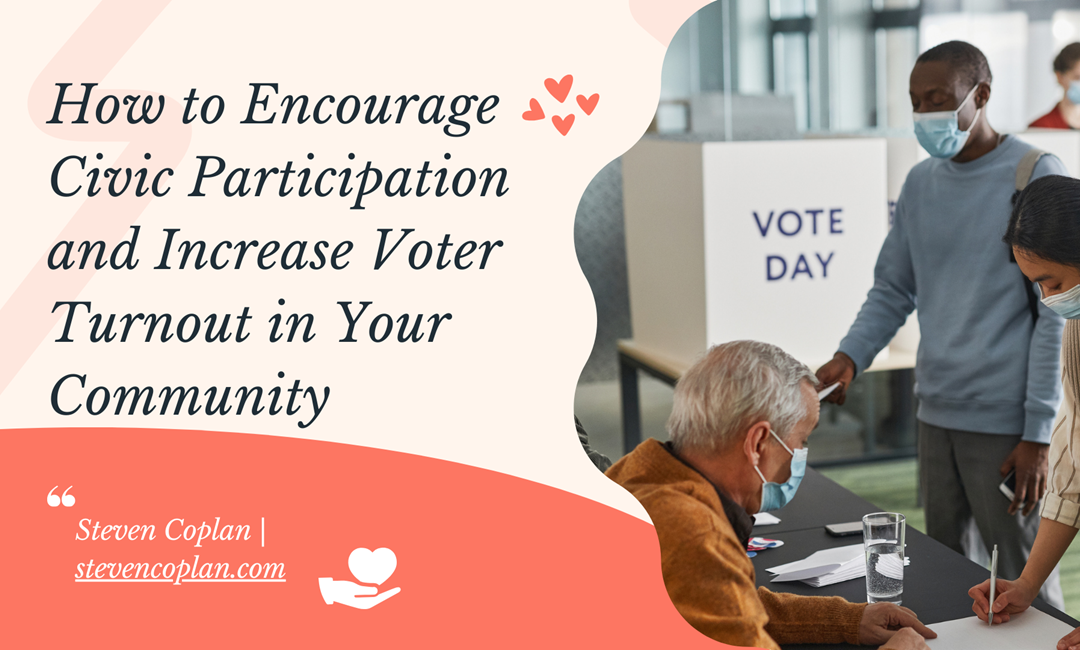
Civic participation is the cornerstone of a thriving democracy, and voter turnout is a crucial indicator of civic engagement. When community members actively participate in elections and civic activities, they contribute to shaping policies and decisions that affect their lives. However, increasing voter turnout requires concerted efforts to educate, motivate, and empower individuals to exercise their right to vote. Here’s how you can encourage civic participation and boost voter turnout in your community.
Educate About the Importance of Voting
Many people may not vote simply because they don’t fully understand the impact their vote can have. Start by educating community members about the importance of voting in local, state, and national elections. Discuss how voting determines who represents their interests in government and influences decisions on issues like education, healthcare, and infrastructure. Provide clear examples of how civic participation can bring about positive change and improve community life.
Promote Voter Registration
Ensure that everyone eligible to vote is registered. Organize voter registration drives in collaboration with local organizations, schools, workplaces, and community centers. Make registration accessible by offering online registration options and providing assistance to those who may face barriers, such as language barriers or lack of identification. Regularly remind community members of registration deadlines and requirements to keep voter rolls up to date.
Facilitate Access to Voting Information
Make voting information readily available and easy to understand. Create voter guides that outline the candidates’ positions and key issues on the ballot. Provide information on polling locations, voting hours, and absentee or early voting options. Use multiple channels to disseminate information, including social media, local newspapers, community bulletin boards, and neighborhood meetings.
Engage Youth and Students
Engage young people early in the civic process to establish lifelong habits of voting and participation. Partner with schools and colleges to incorporate civic education into the curriculum. Host mock elections, debates, and workshops on voting rights and responsibilities. Encourage student-led voter registration efforts and support youth-led initiatives that promote civic engagement among their peers.
Organize Candidate Forums and Debates
Organize forums and debates where candidates can present their platforms and answer questions from community members. These events provide voters with an opportunity to learn about candidates’ positions on issues that matter most to them. Encourage civil discourse and respectful interaction among participants to foster informed decision-making.
Empower Community Leaders and Influencers
Identify and empower community leaders, influencers, and advocates who can champion civic participation. Encourage them to use their platforms to promote voter registration, educate their followers about voting rights and procedures, and emphasize the importance of civic engagement. Their endorsement and leadership can significantly amplify efforts to increase voter turnout.
Offer Transportation and Accessibility Support
Address logistical barriers that may prevent some community members from voting. Provide transportation to polling places for those who lack access to reliable transportation. Ensure that polling locations are accessible to individuals with disabilities and accommodate language needs through bilingual poll workers or translated materials.
Celebrate Civic Engagement
Recognize and celebrate individuals and groups who actively participate in civic activities and elections. Highlight success stories of community members who have made a difference through their involvement. Publicly acknowledge the impact of civic engagement on community issues and emphasize the collective benefits of a well-informed and engaged electorate.
Utilize Technology and Social Media
Harness the power of technology and social media to reach and engage a broader audience. Create informative videos, infographics, and online tutorials about voting processes and election information. Use social media platforms to share updates, reminders, and success stories related to civic participation. Encourage community members to share their voting experiences and encourage others to participate.
Follow Up and Evaluate
After elections, follow up with community members to gather feedback on their voting experiences and any challenges they encountered. Evaluate the effectiveness of your voter turnout strategies and identify areas for improvement. Use this feedback to refine future outreach efforts and continuously enhance civic engagement initiatives in your community.
Conclusion
Encouraging civic participation and increasing voter turnout requires ongoing commitment, collaboration, and creativity. By educating about the importance of voting, promoting voter registration, facilitating access to voting information, engaging youth, organizing candidate forums, empowering community leaders, offering logistical support, celebrating civic engagement, utilizing technology, and evaluating efforts, communities can create an environment where every voice is heard and every vote counts. Together, we can strengthen democracy and build a more engaged and empowered society.